Spring AOT Fundamentals: Understanding Ahead-of-Time Compilation
1️⃣ Understanding Traditional Java Runtime
Before diving into AOT compilation, it's crucial to understand how traditional Java applications work and their inherent limitations. The Java Virtual Machine (JVM) has been the cornerstone of Java applications for decades, providing platform independence and robust runtime features. However, this traditional approach comes with certain trade-offs that become increasingly significant in modern cloud-native environments.
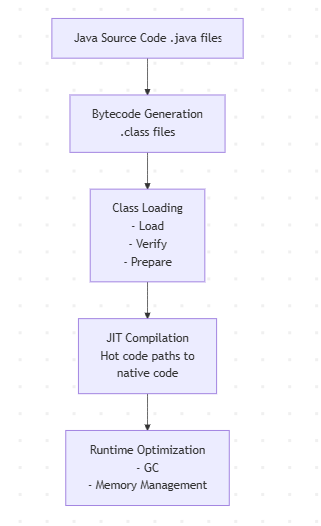
Figure 1: Traditional Java Runtime Process Flow
🔹 Traditional Java Runtime Process
The journey of a Java application from source code to execution involves several critical steps, each contributing to the overall performance characteristics:
- Java Source Code: Written in .java files, containing the application logic and business rules.
- Bytecode Generation: Compiled to .class files, creating platform-independent bytecode that the JVM can interpret.
- Class Loading: JVM loads classes on demand, which involves reading class files, verifying bytecode, and preparing the class for use.
- JIT Compilation: Just-In-Time compilation of hot code paths, converting frequently executed bytecode into native machine code.
- Runtime Optimization: Continuous optimization during execution, including garbage collection and memory management.
🔹 Performance Bottlenecks
While the traditional Java runtime provides excellent long-term performance, it introduces several challenges that can impact application behavior, especially in modern deployment scenarios:
- Slow Startup Time: Class loading and initialization delays can significantly impact application startup, particularly in microservices architectures where quick scaling is essential.
- Warm-up Period: JIT compilation overhead before optimal performance means applications don't perform at their best immediately after startup.
- Memory Footprint: JVM and runtime overhead can be substantial, especially in containerized environments where resource efficiency is crucial.
- Resource Consumption: CPU and memory usage during compilation can impact overall system performance and resource utilization.
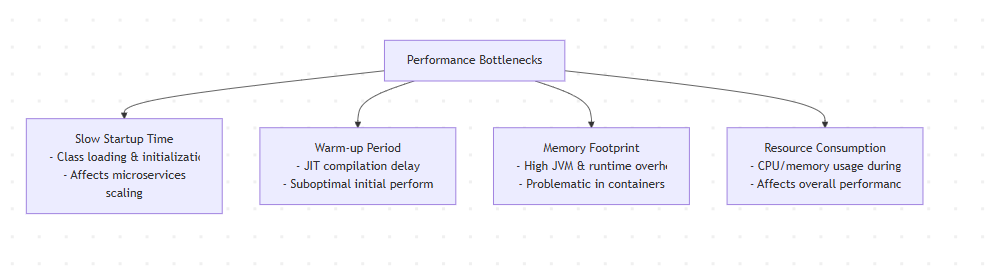
Figure 2: Performance Bottlenecks in Traditional Java Runtime
2️⃣ What is AOT Compilation?
Ahead-of-Time (AOT) compilation represents a fundamental shift in how Java applications are deployed and executed. Unlike the traditional JVM-based approach, AOT compilation moves the compilation process from runtime to build time, creating native executables that can run directly on the target platform without requiring a JVM.
🔹 Core Concepts
The AOT compilation process involves several key concepts that work together to create efficient native executables:
- Pre-compilation: Converting bytecode to native machine code before runtime, eliminating the need for JIT compilation during execution.
- Static Analysis: Analyzing and optimizing code paths at build time, allowing for more aggressive optimizations than possible at runtime.
- Native Binary: Generating a standalone executable that contains all necessary code and resources, ready to run on the target platform.
- No JVM Required: Direct execution on the target platform, eliminating the JVM layer and its associated overhead.
🔹 Key Benefits
The AOT compilation approach offers several significant advantages over traditional Java runtime:
- Instant Startup: No class loading or JIT compilation delays means applications are ready to handle requests immediately after launch.
- Predictable Performance: Consistent execution from the first request, eliminating the warm-up period associated with JIT compilation.
- Reduced Memory: Lower memory footprint without JVM overhead, making applications more efficient in resource-constrained environments.
- Container Friendly: Smaller container images and faster scaling, ideal for cloud-native deployments and microservices architectures.
3️⃣ Spring's AOT Implementation
Spring Framework's AOT implementation is specifically designed to address the unique challenges of enterprise applications. The Spring team has worked extensively to ensure that AOT compilation works seamlessly with Spring's core features while maintaining the framework's flexibility and power.
🔹 Spring-Specific Optimizations
Spring's AOT implementation includes several specialized optimizations that make it particularly effective for enterprise applications:
- Bean Processing: Pre-computing bean definitions and dependencies, eliminating runtime reflection and configuration processing.
- Configuration Analysis: Static analysis of Spring configurations, allowing for build-time validation and optimization.
- Proxy Generation: Ahead-of-time proxy creation, reducing runtime overhead for AOP and other proxy-based features.
- Resource Handling: Optimized resource loading patterns, ensuring efficient access to application resources.
🔹 Implementation Steps
Implementing AOT compilation in a Spring application involves several key steps that ensure proper configuration and optimization:
// 1. Enable AOT processing in application.properties
spring.aot.enabled=true

// 2. Add AOT plugin to pom.xml
<plugin>
    <groupId>org.springframework.experimental</groupId>
    <artifactId>spring-aot-maven-plugin</artifactId>
    <version>${spring-native.version}</version>
    <executions>
        <execution>
            <id>generate</id>
            <goals>
                <goal>generate</goal>
            </goals>
        </execution>
    </executions>
</plugin>
4️⃣ AOT vs JIT: Deep Dive
Understanding the differences between AOT and JIT compilation is crucial for making informed decisions about application architecture and deployment strategies. Each approach has its strengths and trade-offs, and the choice between them depends on specific application requirements and deployment scenarios.
| Feature | AOT Compilation | JIT Compilation |
|---|---|---|
| Compilation Time | Build time | Runtime |
| Startup Performance | Instant | Gradual (warm-up) |
| Memory Usage | Lower | Higher |
| Optimization | Static | Dynamic |
| Runtime Flexibility | Limited | High |
5️⃣ Use Cases and Considerations
The decision to use AOT compilation should be based on careful consideration of application requirements, deployment scenarios, and performance needs. While AOT compilation offers significant benefits in certain contexts, it may not be the best choice for all applications.
🔹 Ideal Use Cases
AOT compilation is particularly well-suited for the following scenarios:
- Microservices: Fast startup and scaling are essential for microservices architectures, where AOT compilation can significantly reduce deployment time and resource usage.
- Serverless Functions: Cold start optimization is crucial for serverless functions, where AOT compilation can minimize the time between function invocation and execution.
- Containerized Applications: Smaller image sizes and faster startup times make AOT compilation ideal for containerized applications, especially in Kubernetes environments.
- Edge Computing: Resource-constrained environments benefit from AOT's lower memory footprint and faster startup times.
🔹 Limitations and Trade-offs
While AOT compilation offers significant benefits, it also comes with certain limitations that should be considered:
- Build Time: Longer compilation process can impact development workflow and CI/CD pipeline efficiency.
- Dynamic Features: Limited support for reflection and other dynamic features may require code modifications.
- Debugging: More complex debugging process due to the absence of JVM tooling and runtime information.
- Platform Specific: Native binaries are platform-dependent, requiring separate builds for different target platforms.
6️⃣ Best Practices for AOT
Successfully implementing AOT compilation requires careful planning and adherence to best practices. These guidelines help ensure optimal performance and maintainability while avoiding common pitfalls.
- Design for AOT: Design applications with AOT in mind from the start, considering its limitations and requirements during architecture planning.
- Minimize Dynamic Features: Minimize use of dynamic features and reflection, as these can be challenging to support in AOT compilation.
- Use Spring AOT Features: Use Spring's AOT-specific annotations and configurations to optimize the compilation process.
- Implement Testing: Implement proper testing strategies for native images, including both unit and integration tests.
- Monitor Build Times: Monitor and optimize build times to maintain efficient development workflows.
- CI/CD Integration: Consider CI/CD pipeline adjustments to accommodate longer build times and platform-specific builds.
7️⃣ Future of AOT in Spring
The future of AOT compilation in Spring looks promising, with ongoing improvements and new features being developed to enhance its capabilities and ease of use. The Spring team is actively working to address current limitations and expand AOT's applicability to more use cases.
Key areas of development include:
- Enhanced Dynamic Support: Improved support for dynamic features, making AOT compilation more flexible and easier to adopt.
- Build-time Analysis: More sophisticated build-time analysis capabilities for better optimization and error detection.
- Debugging Tools: Better debugging capabilities to make troubleshooting native images easier.
- Cloud Integration: Enhanced integration with cloud-native platforms and tools.
- Performance Tools: New tools for performance optimization and monitoring of native images.
8️⃣ Conclusion
AOT compilation represents a significant evolution in Java application deployment, particularly for Spring applications. By understanding the traditional Java runtime limitations and how AOT addresses them, developers can make informed decisions about when and how to implement AOT compilation in their applications.
While AOT compilation isn't suitable for all use cases, its benefits in terms of startup time, memory footprint, and container optimization make it an essential tool in the modern Java developer's toolkit, especially for cloud-native and microservices architectures.
📚 References and Further Reading
To dive deeper into the implementation details and practical aspects of AOT compilation in Spring, we recommend the following resources:
🔹 Related Articles
- Spring Boot with GraalVM & Native Image - A comprehensive guide to implementing AOT compilation using GraalVM Native Image in Spring Boot applications.
- Spring Boot Performance Optimization - Learn about various performance optimization techniques in Spring Boot applications.
- Spring Boot Microservices - Understanding how AOT compilation benefits microservices architecture.
🔹 Official Documentation
- Spring Native Documentation - Official documentation for Spring Native and AOT compilation.
- GraalVM Native Image - Official documentation for GraalVM Native Image, the technology behind Spring's AOT compilation.
- Spring Native Announcement - The official announcement of Spring Native and its features.
🔹 Community Resources
- Spring Native GitHub Repository - Source code and issue tracking for Spring Native.
- Native Build Tools - Tools and plugins for building native images.
- Spring Blog - Regular updates and articles about Spring Native and AOT compilation.
💡 Pro Tip
For the best experience with AOT compilation, we recommend reading this article in conjunction with our Spring Boot with GraalVM guide, which provides detailed implementation steps and practical examples.